AI Cybersecurity: How Artificial Intelligence Is Changing Attack and Defense
AI is changing cybersecurity in both directions. Attackers can automate more work, while defenders can use AI to detect, prioritize and respond faster.


AI is changing cybersecurity in both directions. Attackers can automate more work, while defenders can use AI to detect, prioritize and respond faster.
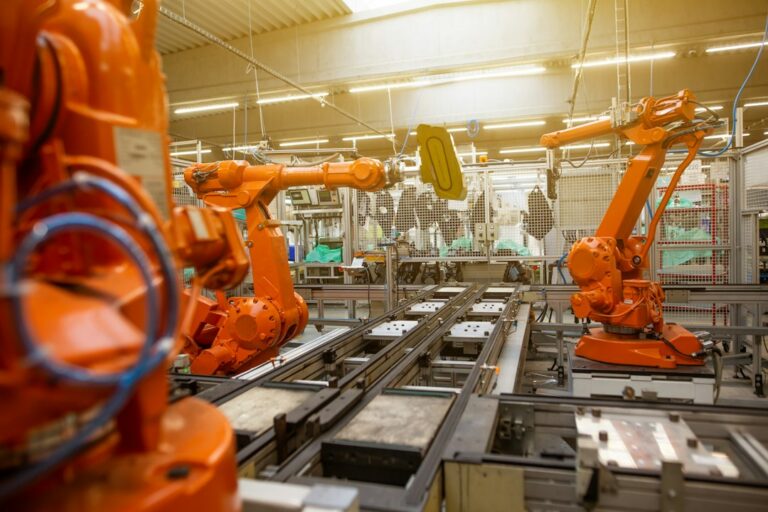
AI is moving out of the browser and into machines that can perceive and act in the physical world. Robotics may be one of the clearest tests of whether smarter models can handle reality.
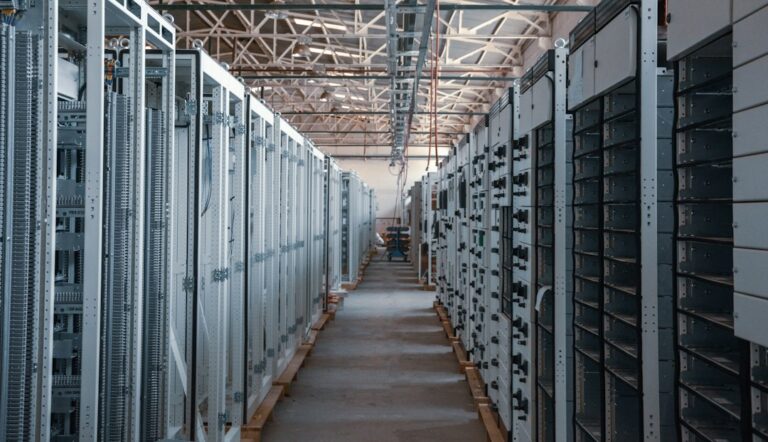
AI is becoming a physical infrastructure story. Data centers, chips, electricity, cooling and grid capacity are now central to how fast the industry can grow.
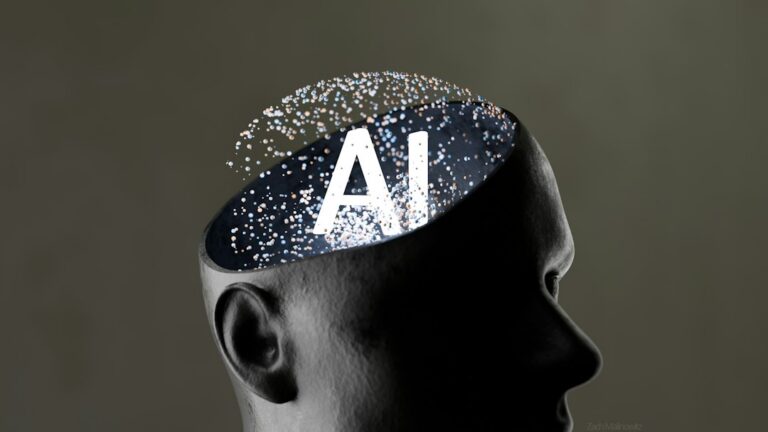
AGI is one of the most important and least consistently defined terms in artificial intelligence. The disagreement is not just about when it arrives, but what would count.
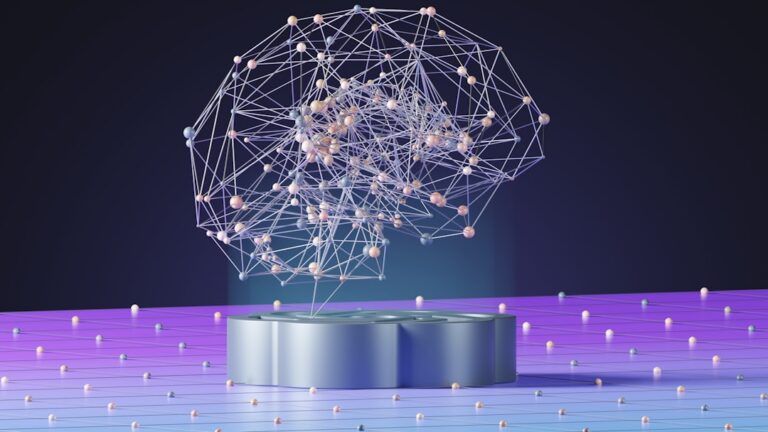
The frontier-model race is no longer just about making AI bigger. Reasoning, multimodality, tool use, efficiency and agentic execution are becoming the new battlegrounds.

The future of AI is rarely announced in one dramatic moment. It arrives as a collection of smaller signals: cheaper intelligence, more capable agents, new kinds of software creation, changing work boundaries and a growing physical infrastructure beneath it all.

The next AI winners may not be the companies building the biggest models. Some of the most interesting businesses are building around the new bottlenecks AI has created, from coding and training data to infrastructure and agentic software.