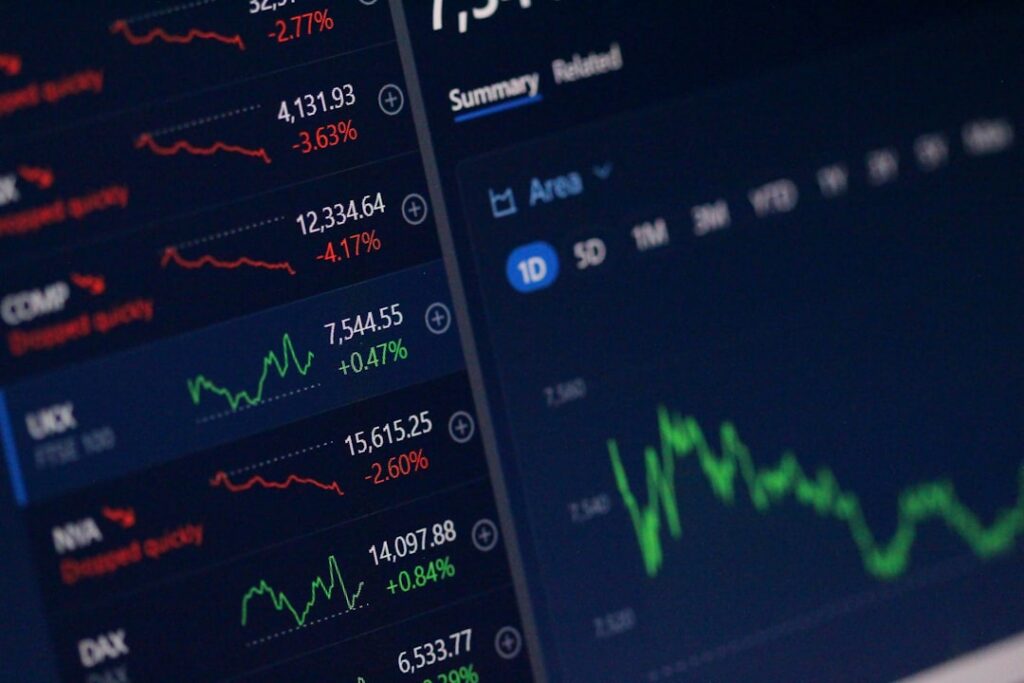
The appeal of AI stock analysis is obvious. Markets generate too much information for any one person to read: filings, earnings calls, analyst commentary, economic data and news arrive continuously.
AI can compress that information dramatically. What it cannot do is remove the uncertainty that makes investing difficult in the first place.
Summarization is genuinely useful
AI can help investors extract key points from annual reports, compare several companies and summarize a long earnings call. It can also help explain unfamiliar accounting terms or organize a research checklist.
These are information-processing tasks, and modern models are often very good at them.
Primary sources should remain the foundation
The SEC encourages investors researching public companies to review disclosures and use resources such as EDGAR rather than relying only on promotional claims.[1]
An AI-generated summary is most useful when the underlying filing is available for verification. If the model says revenue grew by a certain amount, the investor should be able to trace that figure back to the actual disclosure.
Prediction is a different category of problem
A model can identify historical patterns and summarize consensus expectations. That does not mean it can reliably predict a stock’s future price.
The SEC, NASAA and FINRA explicitly warn investors to be cautious about using AI-generated information to predict market direction or security prices. The information can be inaccurate, incomplete, outdated or fabricated.[1]
AI can amplify bad information
Markets are particularly vulnerable to false narratives because information can move prices. A model may ingest or repeat misleading claims, including material spread intentionally through social media or promotional campaigns.
This is one reason investors should compare multiple sources rather than accept a confident generated conclusion.
“AI-powered” is also a marketing claim
Regulators have warned that scammers use AI language to make fraudulent investment platforms sound sophisticated. Claims such as guaranteed returns from proprietary AI systems are classic red flags.[1]
There is no technology that removes investment risk.
AI can improve the research process
A sensible workflow might use AI to generate a list of questions, summarize recent filings, compare margins or identify changes in management commentary. The investor then verifies the important numbers and decides whether the analysis supports the original thesis.
This approach treats AI as a research accelerator rather than an oracle.
Speed can create overconfidence
When research that once took hours takes minutes, it becomes easy to feel unusually informed. But processing more information does not guarantee better judgment.
An investor still has to decide what matters, which assumptions are reasonable and what risks the market may already be pricing in.
Faster analysis does not change the rules of investing
AI makes financial research more accessible. That is a meaningful improvement. It can help ordinary investors understand documents that previously felt inaccessible and compare information more efficiently.
But the core discipline remains familiar: verify sources, understand what you own, diversify appropriately for your situation and be skeptical of anyone promising certainty.
The machine can read faster. The future remains uncertain.
Sources
[1] Investor.gov, “Artificial Intelligence and Investment Fraud: Investor Alert”
[2] Investor.gov, “Protect Your Money: How to Avoid Investment Scams”
[3] Investor.gov, “Investor Education Resources”
Build your AI fluency.
In the AI Era™ Professional Learning is a five-level certification pathway designed to help professionals move from understanding AI to applying it with greater confidence, productivity, and sophistication.